

Jul 14,2025
The Engineering Behind Mono Block Hammers: What You Need to Know
The Engineering Behind Mono Block Hammers: What You Need to Know
Table of Contents
- 1. Introduction to Mono Block Hammers
- 2. What is a Mono Block Hammer?
- 3. Engineering Principles of Mono Block Hammers
- 4. Key Components of Mono Block Hammers
- 5. Advantages of Mono Block Hammers
- 6. Applications of Mono Block Hammers in Industry
- 7. Maintenance Tips for Mono Block Hammers
- 8. Future Trends in Mono Block Hammer Engineering
- 9. Frequently Asked Questions
- 10. Conclusion
1. Introduction to Mono Block Hammers
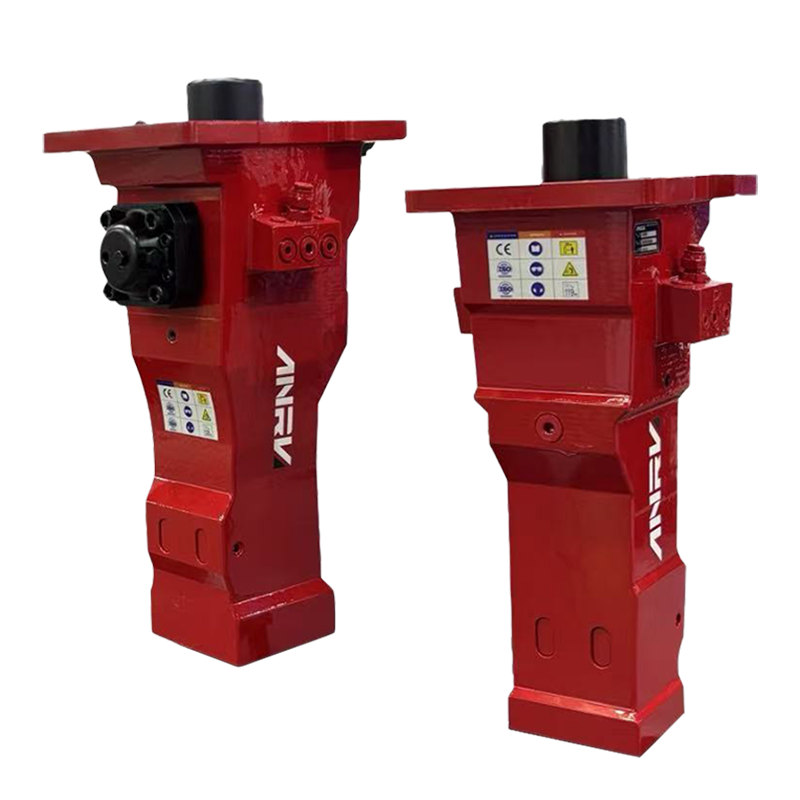
Mono block hammers represent a significant advancement in hydraulic technology, seamlessly integrating power and precision. These tools deliver high-performance impact in various industrial applications, including construction, demolition, and mining. Understanding the engineering behind mono block hammers not only enhances your knowledge but also aids in selecting the right equipment for specific tasks.
2. What is a Mono Block Hammer?
A **mono block hammer** is a new designed hydraulic breakers designed for construction applications, characterized by a single-piece construction. Unlike traditional hammers that consist of multiple components, the mono block design enhances durability and reduces the likelihood of mechanical failure. These hammers are primarily used for breaking, driving, and compacting materials, which makes them indispensable in sectors demanding robust performance.
2.1 Key Features of Mono Block Hammers
- **Single-piece Construction**: The solid body design minimizes wear and tear, extending the hammer's lifespan.
- **High Impact Energy**: Mono block hammers produce a significant amount of energy per blow, making them effective for tough materials.
- **Versatility**: They can be used with various attachments, enabling them to perform multiple functions.
3. Engineering Principles of Mono Block Hammers
The engineering of mono block hammers revolves around fundamental principles of mechanics and hydraulic systems. These principles ensure that the hammers operate efficiently, maximizing impact while minimizing energy loss.
3.1 Hydraulic Systems in Mono Block Hammers
Hydraulic systems play a crucial role in the functionality of mono block hammers. By utilizing **hydraulic fluid**, these systems convert mechanical energy into hydraulic energy, allowing for powerful impacts. The mechanisms involved include:
- **Fluid Compression**: This process generates high pressures that drive the hammer forward.
- **Energy Transfer**: Hydraulic energy is converted back into kinetic energy to produce the hammer’s impact.
3.2 Mechanical Advantage
The design of mono block hammers provides a mechanical advantage that allows operators to apply less force while achieving greater output. This optimization contributes to the overall efficiency of the tool, making it an essential asset in heavy industry.
4. Key Components of Mono Block Hammers
Understanding the main components of mono block hammers is essential for effective operation and maintenance.

4.1 Hammer Body
This breaker is a new deisgn, without out case.typically made from high-strength steel,the Hardness upto 58-62HRC which significantly improves the wear resistance. That is the primary component that withstands operational stress. Its robust construction prevents deformation under high impact loads.
4.2 Piston
The piston is responsible for creating the impact force. It moves within the hammer body under hydraulic pressure, delivering powerful blows to the target material.
4.3 Hydraulic Cylinder
The hydraulic cylinder houses the piston and facilitates the movement of hydraulic fluid. This component is critical for generating the necessary pressure to drive the piston effectively.
4.4 Control Valve
The control valve regulates the flow of hydraulic fluid, allowing operators to control the hammer's speed and impact force with precision.
5. Advantages of Mono Block Hammers
Mono block hammers offer several advantages over traditional hammer designs, making them a preferred choice in many industrial applications.
5.1 Durability
The single-piece design significantly enhances durability, reducing the need for frequent repairs and replacements. This long lifespan translates into lower operational costs.
5.2 Efficiency
With high impact energy and minimal energy loss, mono block hammers operate more efficiently than their multi-component counterparts. This efficiency leads to faster project completion times.
5.3 Reduced Maintenance
Fewer moving parts mean less wear and tear, resulting in lower maintenance requirements. This advantage allows operators to focus on productivity without frequent interruptions for repairs.
6. Applications of Mono Block Hammers in Industry
Mono block hammers are utilized across various industries, demonstrating their versatility and effectiveness.
6.1 Construction
In construction, mono block hammers are essential for breaking concrete, driving piles, and demolishing structures. Their impact energy allows for efficient material handling, reducing project timelines.
6.2 Mining
In the mining sector, these hammers are used for breaking rock and other hard materials. Their high impact energy is crucial for extracting minerals and ores effectively.
6.3 Demolition
Mono block hammers excel in demolition applications, where precision and power are required to dismantle buildings or structures safely.
6.4 Road Construction
They are also employed in road construction for tasks like breaking asphalt and compacting soil, contributing to the efficiency and quality of roadworks.
7. Maintenance Tips for Mono Block Hammers
Maintaining mono block hammers is crucial for ensuring optimal performance and longevity. Here are some essential maintenance tips:
7.1 Regular Inspections
Conduct regular inspections to identify any wear and tear early. Check for signs of damage in the hammer body, piston, and hydraulic connections.
7.2 Hydraulic Fluid Checks
Monitor hydraulic fluid levels and quality. Regularly replace the fluid to prevent contamination and maintain efficient operation.
7.3 Clean Components
Keep the hammer clean to prevent dust and debris buildup, which can affect performance. Regular cleaning promotes longevity and reliable operation.
7.4 Professional Servicing
Schedule professional servicing at regular intervals to ensure that all components are functioning correctly. This preventive approach can save costs in the long run.
8. Future Trends in Mono Block Hammer Engineering
The engineering of mono block hammers is continuously evolving. Emerging trends indicate a shift towards more intelligent and efficient designs.
8.1 Automation and Smart Technology
The integration of smart technology and automation is becoming more prevalent. Features like real-time monitoring and automated adjustments can improve performance and reduce operator workload.
8.2 Environmental Considerations
As industries move towards sustainability, future mono block hammers may incorporate eco-friendly materials and energy-efficient designs to reduce their environmental impact.
8.3 Enhanced Safety Features
Safety remains a priority in engineering. Innovations that enhance operator safety, such as improved vibration dampening and better control systems, are likely to emerge.
9. Frequently Asked Questions
9.1 What is the average lifespan of a mono block hammer?
The average lifespan of a mono block hammer can vary, but with proper maintenance, they can last several years before requiring major repairs or replacements.
9.2 Can mono block hammers be used for soft materials?
While mono block hammers are designed for tough materials, they can also be adjusted for use on softer materials, although this may not be their primary application.
9.3 What maintenance is required for mono block hammers?
Regular inspections, hydraulic fluid checks, component cleaning, and professional servicing are key maintenance steps to ensure optimal performance.
9.4 Are mono block hammers compatible with all excavators?
Compatibility can vary; it’s essential to check the specifications of your excavator and the hammer to ensure a proper fit.
9.5 How do I choose the right mono block hammer for my project?
Consider factors such as the type of material to be worked on, the required impact energy, and the specific application to choose the right hammer.
10. Conclusion
Understanding the engineering behind mono block hammers is vital for anyone involved in industries that rely on hydraulic tools. Their robust design, efficiency, and versatility make them indispensable in construction, mining, and demolition. By investing in these advanced tools and maintaining them properly, you can enhance productivity and ensure the success of your projects. As technology evolves, staying informed about future trends will empower you to make the best choices for your operational needs.
Mono Block Hammer
Related News


CONTACT INFORMATION

243000


No.164,Chuangxin Road,Yushan District, Maanshan City, Anhui Province, China


Copyright © 2025 ANHUI ANRUI I-TECH ENGINEERING MACHINERY CO.,LTD.